
Fort Meade’s Water and Wastewater Infrastructure Faces Critical Failures, with an estimated price tag of $40M

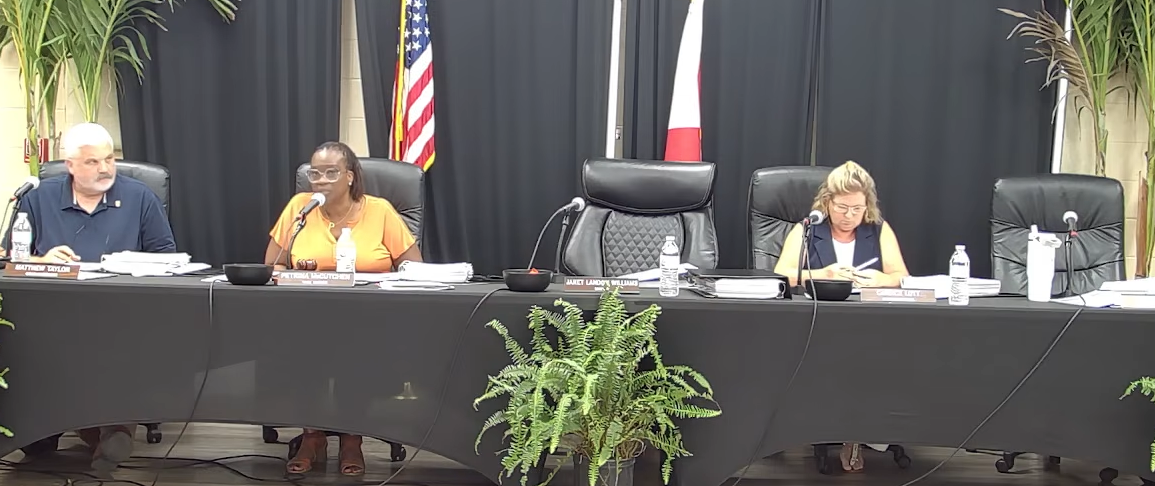
FORT MEADE, Fla. (June 9, 2026) — Fort Meade city commissioners heard a sobering assessment Monday night of the city’s aging water and wastewater systems, with staff warning that decades of deferred maintenance have pushed the infrastructure well past its useful life and into territory that threatens public safety.
Evelyn Guffey, the city’s Director of Water and Wastewater, and City Manager Bell told commissioners that Fort Meade’s water distribution system was built primarily between the 1950’s and 1960’s. It includes 54 miles of pipe ranging from 2 to 12 inches in diameter. The average lifespan for that type of infrastructure is roughly 60 years. Fort Meade’s system is well past it.
The city draws its water supply from three groundwater wells pulling from the upper Floridian Aquifer. Water moves into a 350,000-gallon ground storage tank, through transfer pumps, and up into a 300,000-gallon elevated tower before flowing out to homes, businesses, and institutions across the city. Both storage tanks were cleaned under contract with USG Water, work that was completed in March of 2026.
The distribution system itself, however, is a different story. Several fire hydrants either lack shutoff valves or have valves that no longer function, which affects the city’s ability to maintain the high-pressure water flow needed for fire protection. The city is rolling out new meters equipped with leak detection and excessive usage alerts. Staff noted, however, that underlying infrastructure must be repaired and rebuilt before line replacements can be fully effective.
A local resident told commissioners she had noticed a foul smell coming from her water for several weeks. Others in the audience nodded in agreement.
The water system replacement cost was estimated at approximately $8.5 million in 2021. Current costs are expected to be significantly higher.
The wastewater side carries an even heavier price tag. A 2021 asset management and fiscal sustainability plan, completed by FRWA, found that approximately 34.55% of the city’s 48 miles of wastewater pipe needed replacement. The 2021 estimate to replace the wastewater system was $15.6 million. Staff told commissioners that figure has nearly doubled in the years since, driven largely by the cost of additional treatment required for alternative water resources. Operational costs, including sludge hauling, aeration, chemicals, and electrical utilities, have also increased significantly. This could cost the City of Fort Meade an estimated $40 Million Dollars.
Staff implemented process changes after the 2021 plan to reduce risk, but said those changes are not a long-term substitute for physical repairs and capital investment.
The wastewater plant is a 1-million-gallon-per-day extended aeration facility providing secondary treatment with disinfection. Its permit renewal is currently in progress, a process that could bring additional compliance requirements and further costs.
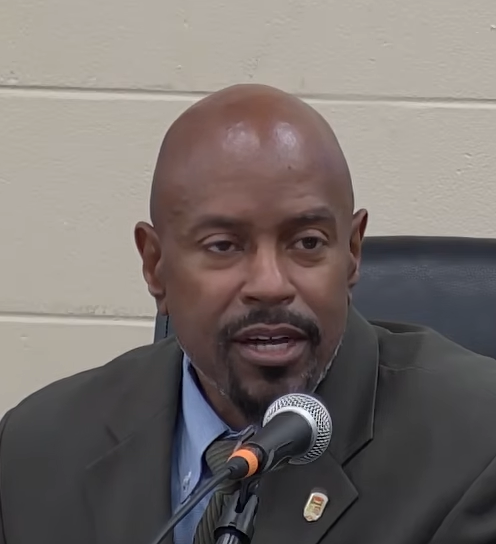
City Manager Troy Bell was direct about the stakes.
“In order to maintain quality of life as it is now it’s going to take replacement,” Bell said.
He continued, “Without replacement we will continue to have leaks on both the water and sewer sides, along with poor [water/sewer] treatment, if we don’t invest in our system.”
Guffey echoed that message in her presentation’s closing remarks, stating her commitment to moving the city from reactive maintenance toward a proactive approach grounded in infrastructure investment and long-term planning.
“My goal is to position the City for future success by improving reliability, strengthening compliance, reducing emergency failures, and continuing to provide safe, dependable, and sustainable utility services to the residents and businesses of Fort Meade,” Guffey said.
Vice Mayor McCutchan acknowledged the challenge and pledged action, saying the commission will tap into available resources and create a plan to move the system forward.
Vice Mayor McCutchan acknowledged the challenge and pledged action, saying the commission will tap into available resources and create a plan to move the system forward.
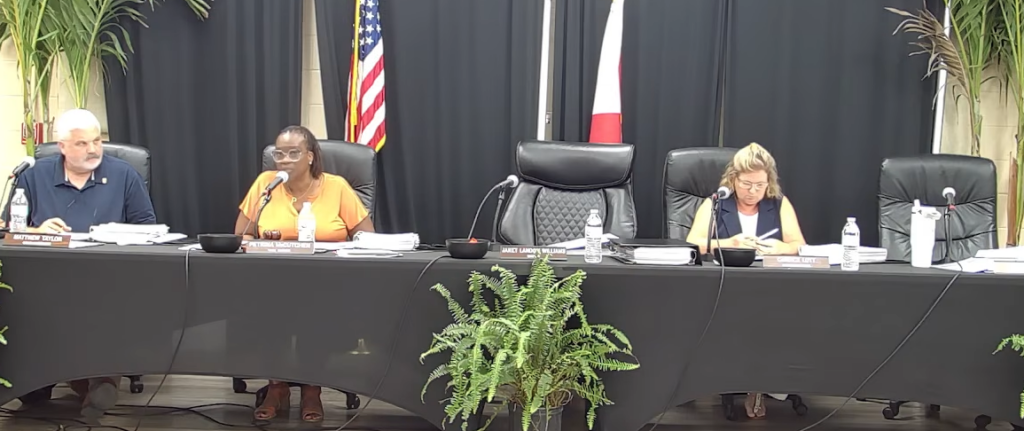
McCutchan also raised a concern about timing. The potential elimination of property taxes at the state level, she said, could significantly limit the financial tools available to cities like Fort Meade, complicating the city’s ability to fund exactly the kind of long-term capital investment the system needs.
The city’s 2021 studies identified the challenges and laid out solutions. What is needed now, staff said, is a funding commitment from the commission, including rate evaluations and reserve building to cover both planned improvements and emergencies such as hurricane damage. Staff offered facility tours for those who want a firsthand look at the system.
Commissioners James Watts and Mayor Jaret Landon Williams were absent. Vice Mayor Petrina McCutchen presided.
The full presentation is available in the June 9, 2026, agenda packet on the City of Fort Meade’s website, pages 283-293.