
What Are We Actually Celebrating? Florida’s Surprising Place in America’s 250th

When I was a kid, the Fourth of July meant a blanket on the grass at the local high school football field, the sky going dark, and the first firework exploding as it lit up in a way that made it larger than life.
I remember the embers. The way they seemed to drift down right toward us, close enough that some part of my brain was sure they were going to land on the blanket. It was equal parts wonder and low-grade panic. I’d flinch and grin at the same time. That mix of excitement and a little bit of fear is one of my clearest memories of being small on a summer night in America.
This year, that night carries some extra weight. July 4, 2026, marks 250 years since the signing of the Declaration of Independence, a milestone the country is calling the Semiquincentennial. It is, by the way, the largest synchronized Fourth of July celebration in U.S. history, with communities from coast to coast planning block parties, fireworks, and events all year long.

So as we get ready to party up the red, white, and blue, it’s worth asking a question most of us haven’t really sat with since a 10th grade history class: what are we actually celebrating?
Florida as a colony
In 1776, Florida wasn’t one of the colonies declaring independence. Florida was British, and it stayed loyal to the Crown the entire war.
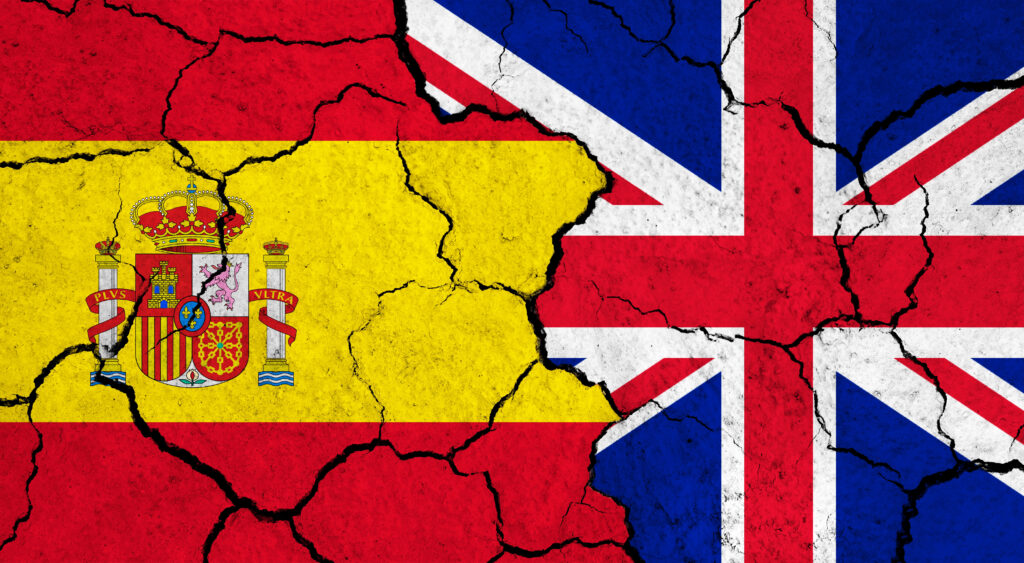
It all goes back to a land swap. After more than two centuries under Spanish rule, Florida was handed to Britain in 1763 as part of the deal that ended the Seven Years’ War. Spain got Havana back; Britain got Florida. The British then split it in two, East Florida with its capital at St. Augustine, and West Florida with its capital at Pensacola.
But even before any of that took place, well before the Spanish, the British, or the Americans called it theirs, Florida was already settled by another people group.
For thousands of years, this land belonged to Native nations like the Timucua, the Apalachee, and the Calusa, along with many others. They built villages and mounds, ran wide trade networks, fished the coasts, and farmed the interior long before a single European set foot on the sand. When the Spanish arrived in the 1500s, Florida wasn’t empty. It was full of people with their own languages, leaders, and ways of life.
Much of that changed after contact. European diseases, along with conflict and slave raids out of the Carolinas, took a heavy toll on those nations, and by the early 1700s much of the peninsula had emptied out. When Spain handed Florida to Britain in 1763, most of the Native survivors who remained left for Cuba.
The Seminole, the tribe most of us picture when we think of Native Florida, are a separate and later story. In the mid-1700s, bands of Creek and other Native peoples began moving south into Florida from Georgia and Alabama. By around 1775, just as the colonies up north were inching toward revolution, those communities were becoming known as the Seminole, and they would go on to resist removal with a determination that’s still part of Florida’s story today.
So as we count back 250 years, it’s worth remembering that the clock on this land didn’t start in 1776, or even in 1565 when the Spanish founded St. Augustine. People were here long, long before, and their story is fully part of ours.
When the 13 colonies up north started rumbling toward revolution, both Floridas were invited to send delegates to the Continental Congress. Both said no thanks. While Boston and Philadelphia were lighting the fuse on independence, Florida stayed put, loyal and British.
And it wasn’t a quiet, polite loyalty either. When word of the Declaration of Independence finally reached St. Augustine in August 1776, more than a month after the fact, residents were so angry they made effigies of John Hancock and Samuel Adams and hung them in the town plaza. Some accounts say they set them on fire. Not exactly the patriotic postcard we picture.
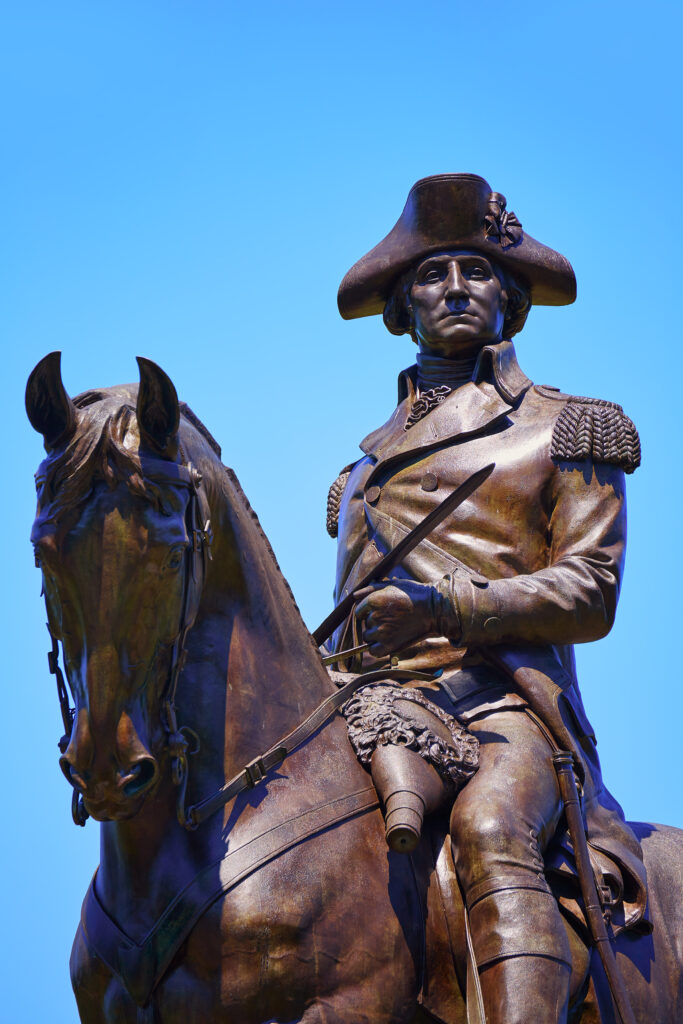
George Washington wanted Florida badly because he understood that St. Augustine was a critical supply hub linking Britain to its Caribbean colonies, and he authorized multiple attempts to take it. In the late summer of 1776, around 2,500 Continental Army soldiers marched south out of Savannah toward St. Augustine. The mission fell apart before it got anywhere. Supplies ran short, and a good chunk of the men deserted. Later pushes, including the Battle of Thomas Creek in 1777, failed too. Florida stayed stubbornly British.
It became something of a safe harbor, in fact. Loyalists fleeing the rebelling colonies poured into East Florida, and St. Augustine’s old Spanish fort, the Castillo de San Marcos, never fell.
Florida only became American later, and slowly. After the war, the 1783 Treaty of Paris handed Florida back to Spain. It wasn’t until 1821 that Florida became a U.S. territory, and it didn’t become a state until 1845, a full 70 years after the Declaration of Independence was signed. So, when we celebrate 250 years of independence, Florida is celebrating a country it’s only been a part of for the last 181 years. We came to the table late, and by a pretty winding road, for sure.
I love that, honestly. Not because it makes us less American, but because it makes the story real. The version most of us half-remember is simplistic at best: 13 colonies, one declaration, fireworks, the end, or rather the beginning, of our nation. The actual history is a lot messier. There were 13 colonies that rebelled, sure, but Britain was juggling far more than that across North America and the Caribbean. Florida was one of the pieces that too
Knowing that doesn’t take anything away from the Fourth. If anything, it adds to it. The country we’re celebrating wasn’t handed down complete or picture-perfect. It got built, piece by piece, over a long time, with plenty of places like Florida joining the story when the moment was right for them.
The state is leaning into this anniversary. Florida has its own America 250 commission and a slate of commemorations planned, including a tour of statues of founding figures placed in their namesake counties, plus a statue of George Washington that went up in the Capitol rotunda in Tallahassee, fittingly, given how much that man wanted this place.
Down here, you don’t have to drive to Tallahassee to take part. Communities all over the country are planning local block parties and fireworks for the big anniversary, and Polk County will have many of its own. When you find yourself on a blanket this year, watching the sky light up over Lake Wales, Winter Haven, Lakeland, Davenport, or anywhere else in Polk County, you’ll be part of something that’s a quarter of a millennium in the making.
I’ll be out there too, probably still flinching a little as the embers drift down. Some things you never grow out of. But this year I’ll be thinking about the long, strange, winding way we all got here, and feeling pretty grateful that we did.
So pack the blanket. Bring the bug spray. Find a good patch of grass. And maybe, between the booms, take a second to remember that what we’re celebrating isn’t just a date. It’s a 250-year-old idea that a place like ours, late to the party and all, still gets to call its own.
Looking for somewhere to lay out your own blanket? Check out our roundup of Fourth of July events happening across Polk County this weekend and next.
Sources: America250, official Semiquincentennial Commission (america250.org); American Battlefield Trust, “The Forgotten Front of Florida”; Florida Historical Society, “Florida in the American Revolution” (myfloridahistory.org); Florida Department of State, Division of Historical Resources (dos.fl.gov); Seminole Tribe of Florida historical records and Britannica; East Florida and the American Revolution, encyclopedic and National Park Service historical records; Tampa Bay History Center, “Mapping the 14th Colony” exhibition background.