
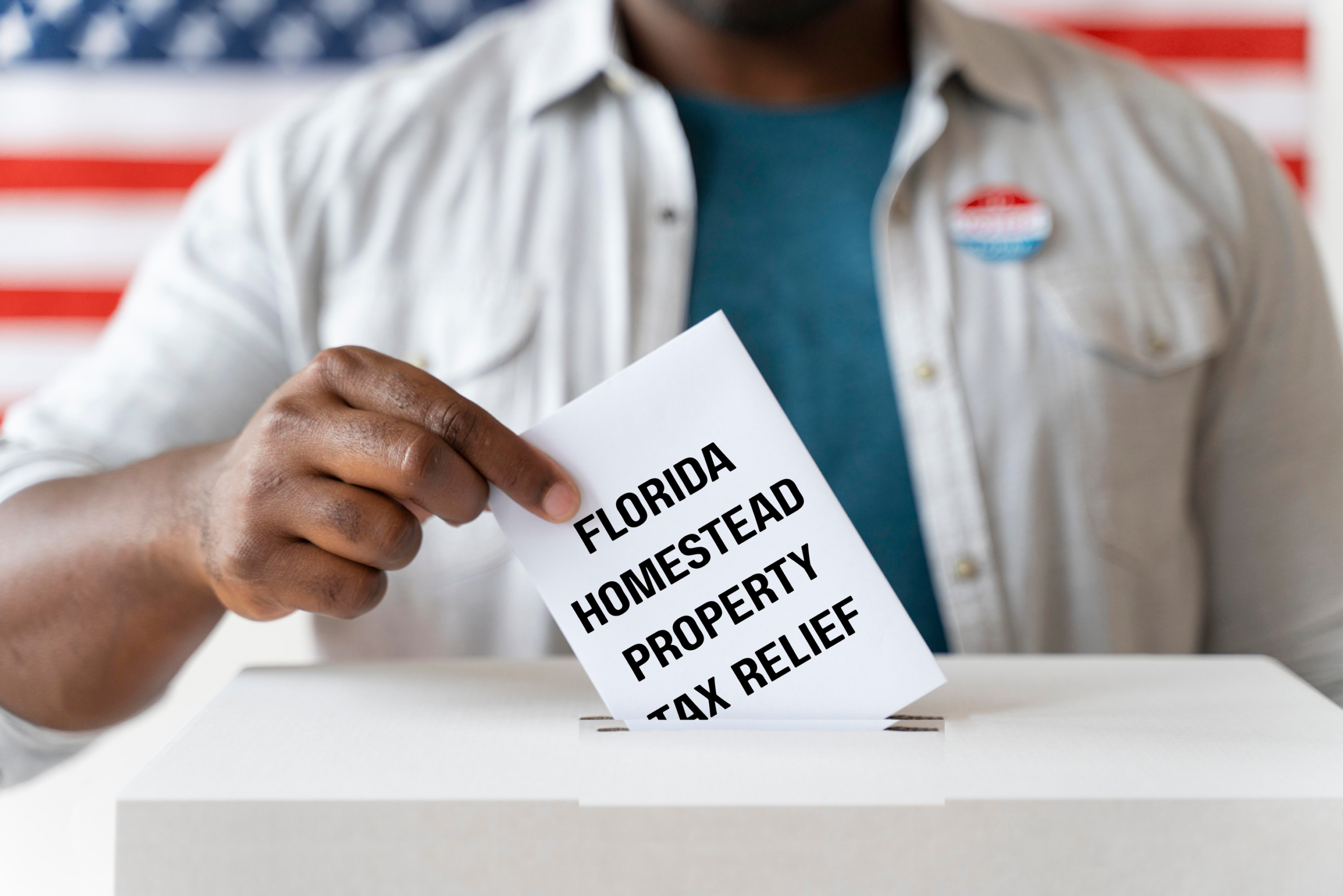
Florida Property Tax Relief: What Voters Will Decide on the November Ballot

The Florida Legislature voted yesterday to put a sweeping property tax cut on the November ballot. The House passed it 75 to 26. The Senate passed it 30 to 9. Now the question moves out of Tallahassee and into your hands.
If you have been anywhere near a TV or a coffee shop this past week, you have heard most of the talking points already. Governor Ron DeSantis has been everywhere making the case. Local government leaders and sheriff’s offices have been raising concerns. But almost nobody on either side has walked through what the plan actually does. That is what this piece is for.
Before we get into it, here is where The Citrus Tea stands. We are not taking a side on this one. The point of this three-part series is to lay out what the plan does, what supporters are saying, and what local leaders right here in Polk County are worried about. The vote is yours. We just want you walking into it knowing the facts.
In Florida today, if you own a home and you actually live in it, you can claim a homestead exemption. You have to apply by the end of March to be eligible the following tax year. The exemption is the chunk of your home’s value the government does not tax. Today, the exemption is $50,000. So if your home is assessed at $250,000, you pay property tax on $200,000 of that value.
The Governor’s plan, called Save Our Homes from Excessive Property Taxes, raises that exemption a lot, but in steps. If voters say yes on the November ballot, here is what would go into effect:
Starting January 1, 2027, the exemption jumps from $50,000 to $150,000. Starting January 1, 2028, it jumps again to $250,000. After that, the Legislature would be required to keep raising it, with the eventual goal of eliminating homestead property taxes entirely. In practical terms, if your home is worth $250,000 or less, you would owe zero county or city property tax by 2028. If your home is worth more, you would only pay tax on the part above the exemption.
Schools are protected, but that was a late addition. The Governor’s original draft tried to cover school taxes too. Lawmakers in both chambers carved them out before the final vote. Even if you owe nothing for county or city property tax someday, you would still pay the part of your bill that funds public schools.
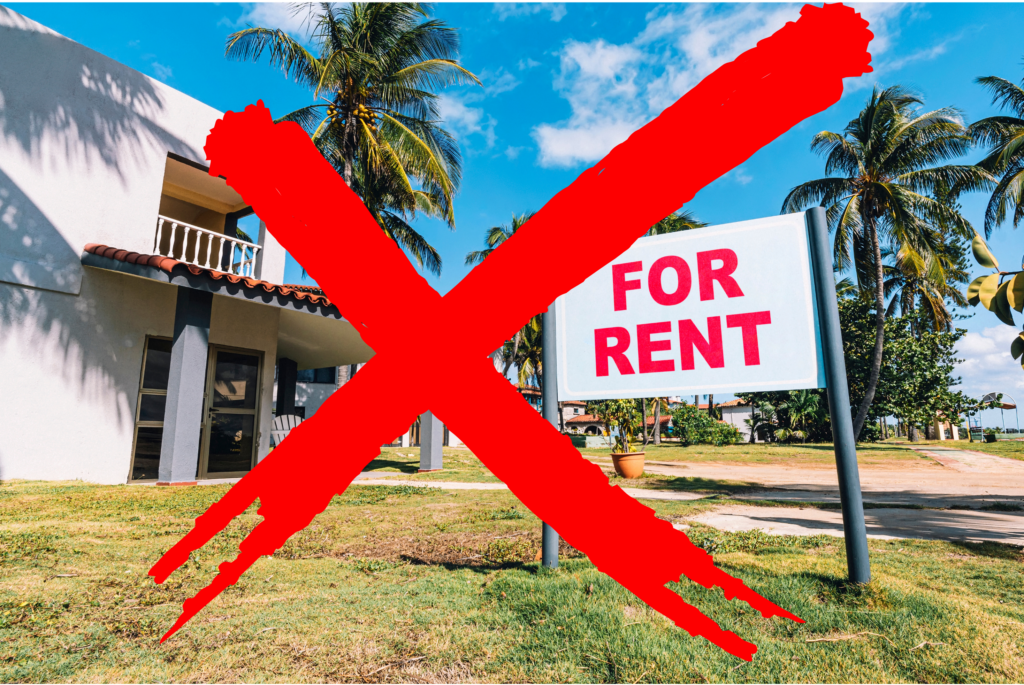
Vacation homes, rental properties, second homes, and businesses are not part of the break. Those properties keep their current property taxes owed, with one tweak. The maximum amount their assessed value can rise each year for tax purposes drops from 10 percent to 5 percent starting next year.
There is a five-year waiting period built in for newcomers. The Governor said this was to “keep out-of-state buyers from rushing in to claim the tax break.” Anyone who establishes Florida residency after January 1, 2027, has to live here for up to five years before they qualify for the bigger exemption.
There is also a list of what local governments can spend remaining property tax money on, and this is where local leaders are most concerned. The proposal limits use to public safety, education, infrastructure, including stormwater management, and natural resources. Right now, your county and city property taxes help fund the sheriff’s office, fire departments, parks, libraries, mosquito control, animal services, and a long list of other local programs. Under the new rules, anything outside the core list would have to be funded by another source. The plan creates a new state trust fund to help cities and counties replace some of the lost revenue. The Governor’s office has not yet said how big that fund will be or where the money will come from.
For all of this to actually take effect, the amendment has to clear one more hurdle. At least 60 percent of Florida voters have to vote yes on November 3. If it falls short of 60 percent, the plan dies, and the current $50,000 homestead exemption stays in place. Local budgets will remain untouched by the plan.
In Why Some Florida Leaders Are Backing the Property Tax Plan, we lay out the case supporters are making for it, in their own words. After that, we look at what local leaders, including officials right here in Polk County, are saying about the budget impact.
Sources: Florida Senate bill history for SJR 2-F and Florida House bill history for HJR 1F (flsenate.gov, flhouse.gov); Office of the Governor of Florida press release dated May 27, 2026 (flgov.com); Click Orlando, Fox 35 Orlando, WCTV, CBS Miami, First Coast News, and Florida Phoenix reporting from June 1 to June 3, 2026.